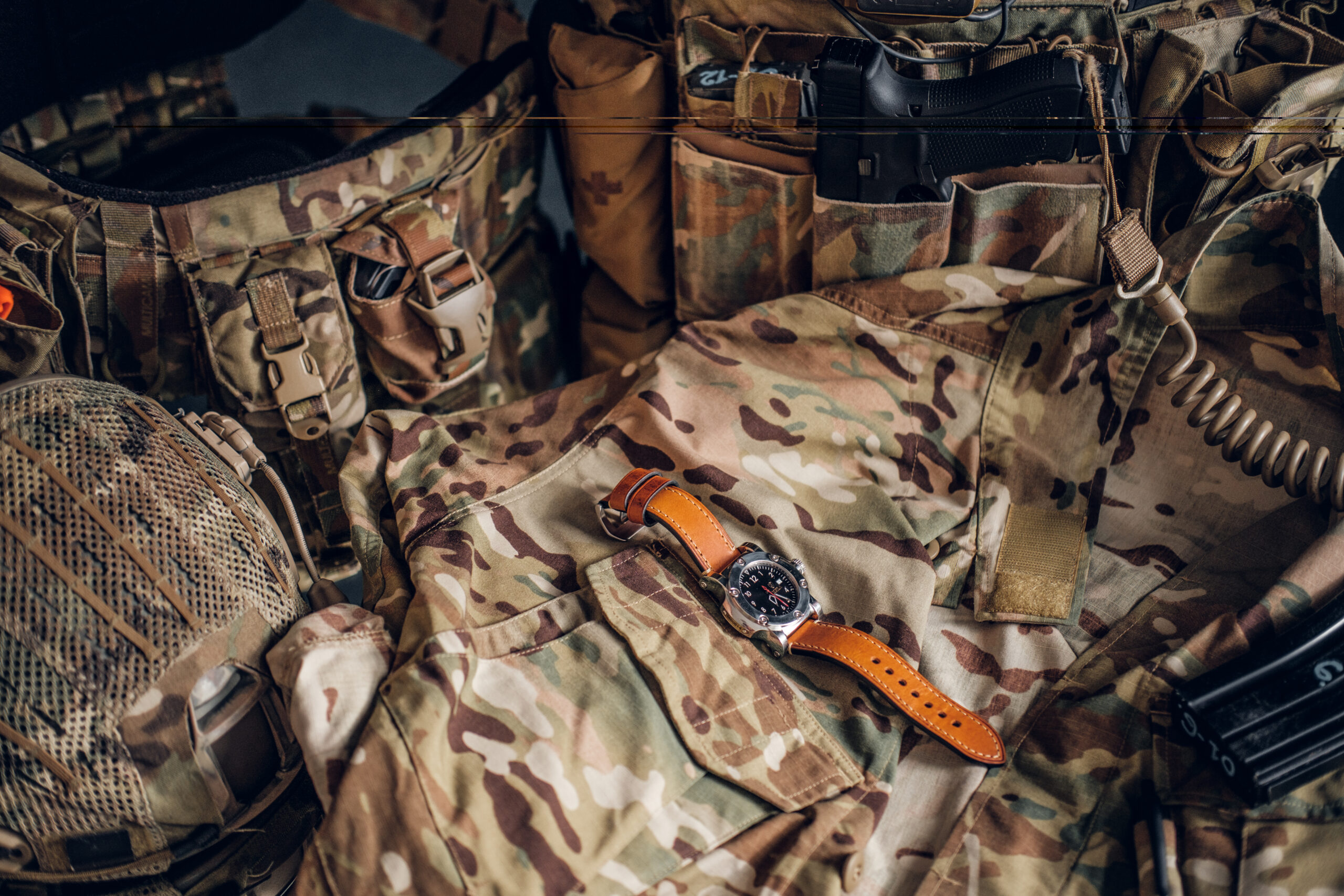
Shadows of the Past
The calm that settled over our cul-de-sac in the weeks following the cookout was fragile, built on the quiet understanding that quiet people are not necessarily helpless. Yet, while the neighborhood returned to its mundane routines—lawnmowers on Saturday mornings, the rustle of dry autumn leaves against the pavement—the ripple effects inside our family had only just begun.
Grant’s anger didn’t dissipate; it curdled. Two weeks after he sent the messages I’d archived and blocked, an unfamiliar sedan idling at the end of our street became a daily occurrence. I noticed it on my morning run: a gray Ford, parked just far enough from the streetlight to blend into the shadows. My tactical instincts, honed over a decade in special operations, wouldn’t allow me to ignore it.
One evening, after putting Sophie to bed with her favorite book, I walked out to the driveway. The cool night air carried the sharp scent of pine. I didn’t approach the vehicle with aggression; I simply stood by my mailbox, arms crossed, letting the driver know they had been burned. The car’s headlights flashed once, then it pulled away into the darkness.
The next day, a formal envelope arrived in the mail—not from Grant directly, but from a legal firm representing his family’s interests. It contained a notice alleging breach of family trust and threatening civil litigation over property rights regarding the house I was renting, which had brief, historical ties to our family’s estate. It was a transparent maneuver, designed not to win in court, but to drain my resources and force me back into communication.
I sat at the kitchen counter, tracing the raised seal on the letterhead. Sophie was at the table, humming softly as she colored a drawing of her self-defense class.
“Mom?” she asked, looking up. “Is that another letter from Uncle Grant?”
“It’s just paperwork, sweetie,” I said, keeping my tone even. “Nothing to worry about.”
“He’s still mad, isn’t he?”
“He’s confused,” I corrected gently. “Sometimes when people lose control, they try to use rules and papers to get it back.”
“Are we going to have to move?”
I set the letter down and looked straight into her eyes. “No. We built this home, Sophie. A piece of paper doesn’t change that.”
That afternoon, I called Captain Marcus Vance, a former legal officer from my old unit who now ran a private practice downtown. Marcus had seen me lead teams through high-stakes operations in Al Anbar; he knew how I operated under pressure.
“Major,” Marcus said, his voice echoing slightly over the speakerphone. “I saw the summary of the situation you sent over. Grant’s counsel is blowing smoke. They have no legal standing regarding the lease agreement you signed with the actual property owner.”
“I know,” I replied. “But he’s using it to probe for leverage. I want a firm, clean response. No aggression, just ironclad legal boundaries.”
“Consider it done. I’ll send a formal cease-and-desist regarding his harassment tactics, along with a clarification of the property lease terms. If he steps one foot onto your property, we go straight to a restraining order.”
“Thank you, Marcus.”
“How is Sophie holding up?” he asked, his tone softening.
“She’s resilient. Better than I was at her age.”
“She’s your daughter, Sarah. Courage runs in the blood. Just remember—you don’t have to carry the whole world on your shoulders anymore. You left the service for a reason.”
After hanging up, I walked out to the back porch. The sun was dipping low, casting long, crimson shadows across the yard. Marcus was right. I had spent years carrying the weight of command, making split-second decisions where lives hung in the balance. Compared to that, Grant’s petulant legal threats were minor turbulence. But the emotional toll on Sophie was what mattered most.
Later that week, Natalie called from a new number. I hesitated before answering, balancing my need to protect my space with the promise of fairness I had made to myself.
“Sarah?” her voice was hesitant, stripped of the glossy confidence she used to hide behind. “I’m calling because… I wanted you to know I’ve enrolled in counseling. And I returned the gloves to Travis. I told him never to contact me again.”
“How did he take it?” I asked, keeping my voice neutral.
“He was furious. He called me a traitor. But for the first time in my life… I didn’t apologize.” She paused, taking a shaky breath. “I’m not asking to come over. I know I haven’t earned that. I just… I wanted you to know I’m trying to fix what I broke in myself.”
“I appreciate you telling me, Natalie,” I said honestly. “Progress takes time. Keep doing the work.”
“Thank you, Sarah. Give Sophie my love… if she’s ready to hear it.”
“I will when the time is right.”
As I hung up, I realized that the cookout hadn’t just exposed Travis’s weakness or Grant’s arrogance; it had started a slow, painful chain reaction of accountability. The walls of illusion that kept our family trapped in toxic dynamics were finally coming down.
The Unspoken Contract
Winter arrived with a quiet intensity, dusting the suburban streets in pale frosting. The neighborhood shifted indoors, light spilling from living room windows into the early darkness.
At Sophie’s gym, the self-defense classes progressed from basic footwork to situational awareness. I watched from the wooden benches as the instructor, a retired police officer named Dan, guided the kids through scenario drills. Sophie moved with a quiet, deliberate intent that reminded me of my early days in basic training—focused, observant, and unwilling to be rushed.
One Tuesday evening, after class, Dan walked over to where I was sitting. He carried two paper cups of hot coffee, offering one to me.
“She’s got your discipline,” Dan observed, watching Sophie pack her gear into her duffel bag.
“She gets her determination from her own spirit,” I replied, accepting the cup. “I just try not to get in her way.”
Dan leaned back against the wall. “I heard a rumor around town. A couple of the local vets mentioned a Major Sarah Miller who used to run logistics and tactical coordination down south. Said she was a ghost.”
I took a slow sip of coffee. “People like to tell stories in small towns, Dan.”
“Fair enough,” he smiled. “Whatever the story is, you’ve raised a good kid. She doesn’t fight out of anger. That’s rare for kids her age. Most of them want to look tough.”
“Toughness is an act,” I said softly. “Real strength is knowing you don’t have to prove anything to the room.”
As we drove home, the snow began to fall in heavy, lazy flakes. The car heater hummed, warming our hands.
“Mom?” Sophie broke the silence.
“Yes, honey?”
“At school today, a boy named Leo took Maya’s drawing and ripped it up. He wanted everyone to laugh.”
I kept my eyes on the road. “What did you do?”
“I stood up and told him to stop. I used my loud voice, like in class.”
“And what happened?”
“He looked surprised. Then he dropped the paper and walked away. But…” she hesitated, looking out the window at the passing streetlights. “Some of the other kids called me bossy.”
I felt a tight knot in my chest, an old memory of how the world often treats girls who assert control over their space. I pulled the car into our driveway, turned off the engine, and turned to face her.
“Sophie, when you stand up for someone who can’t stand up for themselves, people who are comfortable with cruelty will always try to call your courage a bad word. ‘Bossy’ is just a word weak people use when they can’t push you around.”
She met my eyes, digesting the words. “Did they call you bossy in the army?”
I let out a soft laugh. “They called me worse. But it never stopped me from doing what was right.”
“Did it hurt your feelings?”
“At first, maybe. But then I realized their opinion didn’t change who I was. Your integrity belongs to you, Sophie. Nobody can take it unless you hand it to them.”
She smiled, a small, genuine expression that reached her eyes, and nodded. “Okay. I’m glad I helped Maya.”
“I am too.”
That night, as the snow accumulated on the roof, I sat down at my desk to write a letter of my own. Not to Grant, nor to Natalie, but to my former commanding officer, General Vance, who had reached out weeks ago offering me a civilian consultant role at a regional security institute. I had hesitated for months, fearing that taking the job would drag my past back into the sanctuary I’d built for Sophie.
Writing under the soft glow of the desk lamp, I put pen to paper:
Dear General Vance,
I am ready to accept the consulting position, provided the terms allow me to remain based locally. My primary duty remains here, raising my daughter. But I realize now that stepping away from my experience entirely does not protect her; demonstrating how to use that experience with purpose is what matters.
I sealed the letter, feeling a profound shift within myself. I was no longer hiding behind a quiet civilian persona out of fear. I was embracing the totality of who I was—mother, soldier, leader—on my own terms.